Over recent years, you may be considering a wood fence for your Duncan, SC property; weigh benefits against local risks: privacy, curb appeal, and increased property value are key advantages, while termite infestation, rot from humidity, and storm damage pose real hazards; ensuring professional installation and routine sealing minimizes problems and helps you decide if a wood fence fits your budget, maintenance willingness, and landscape needs.
Key Takeaways:
- Wood fences deliver strong privacy and curb appeal for Duncan, SC properties-cedar or pressure‑treated pine resist local humidity and pests better than untreated wood.
- Upfront cost is moderate compared with vinyl or metal, but plan for regular staining, sealing, and inspections to prevent rot and termite damage over the fence’s lifespan.
- Confirm local permits, setback rules, and any HOA requirements in Duncan; hiring a local installer helps ensure proper materials, drainage, and code compliance.
Benefits of Wood Fencing
Wood combines affordability and flexibility: typical installation runs about $15-35 per linear foot, while material choices and finishes let you match any style. You gain resale appeal and easy repairs-individual boards can be replaced for low cost. Species such as cedar or pressure-treated pine last roughly 15-30 years with proper maintenance, and sustainably sourced options reduce environmental impact.
Aesthetic Appeal
Choose from picket, shadowbox, split-rail or board-on-board to create a tailored look; cedar and redwood offer rich grain and natural rot resistance. Over time, untreated cedar will silver; staining preserves color for up to a decade depending on exposure.
Privacy and Security
Solid wood panels at 6-8 feet block sightlines and reduce trespassing, and closely fitted boards eliminate footholds for intruders. Properly installed, a wood fence also lowers noise and defines clear property lines, helping with neighbor disputes. You should choose a design with staggered posts and secure hardware to maximize deterrence and longevity.
You should set posts in concrete to at least 24 inches for 6-8 foot fences and space posts 6-8 feet apart to prevent sagging; use 6×6 posts for greater stability and metal post sleeves where soil is wet. You should install hardware-grade hinges and a keyed lock on gates, and inspect annually-rot or loose posts are a serious weakness that can compromise security.
Types of Wood Fencing
You’ll commonly see privacy fence, picket fence, split-rail fence, shadowbox and ranch fence around Duncan properties; front yards often use 3-4 ft pickets while backyards typically use 6-8 ft privacy panels, and you should plan post depths of 2-3 ft for stability in sandy soils.
- Privacy fence – solid panels for noise and seclusion
- Picket fence – decorative, 3-4″ picket spacing
- Split-rail fence – rustic, low cost, low privacy
- Shadowbox – two-sided appearance, better airflow
- Ranch fence – wide rails for acreage boundaries
| Privacy | Best for noise reduction and screening; typical height 6-8 ft; requires more maintenance. |
| Picket | Good for curb appeal and front yards; usually 3-4 ft tall; low cost. |
| Split-rail | Used on large properties; quick install and low visibility. |
| Shadowbox | Balanced privacy and airflow; hides fasteners and looks finished both sides. |
| Ranch | Durable for livestock or acreage boundaries; typically 3-5 rails, minimal maintenance. |
Popular Wood Choices
You’ll often choose cedar for natural rot resistance and a 15-25 year life, pressure‑treated pine for lower upfront cost and 10-20 year expectancy, or redwood for premium stability and 20+ year longevity; cypress offers natural oils that deter decay, while hardwoods like oak are heavy and long‑lasting but expensive.
Styles and Designs
You can pick traditional vertical boards for a clean look, staggered shadowbox for balanced airflow, horizontal boards for a modern aesthetic, or add lattice tops and decorative posts; typical picket spacing is 3-4″, privacy boards are commonly 5.5-6″ wide, and you should match style to curb appeal and function.
The style you choose directly affects maintenance, resale value and permitting-expect annual sealing for most species, plan for $15-$40 per linear foot installed depending on material, and verify local setback rules when you want a 6-8 ft privacy panel.
Cost Considerations
Expect most wood fences in Duncan to run between $15-$40 per linear foot installed, with shorter projects (100-200 ft) commonly totaling $1,500-$6,000 depending on material and gates. You should factor in permit fees ($50-$300), gate hardware, and site prep; steep yards or drainage fixes can add hundreds or thousands. A 150‑ft pressure‑treated run typically sits near the low end, while cedar privacy fences push toward the high end.
Material Costs
Pressure‑treated pine generally costs $10-$20 per linear foot in materials, while cedar ranges from $20-$35. You’ll pay more for thicker posts, tongue‑and‑groove privacy panels, or decorative tops; hardware and stain add another $1-$3 per foot. If you plan to keep upkeep low, cedar’s rot resistance often translates to 15-25 years of service versus 10-15 for untreated pine.
Installation Expenses
Labor typically represents 40-60% of total cost, driven by post depth, soil type and access; contractors commonly charge per linear foot or per hour, and a two‑person crew can install ~50-100 ft per day. You must locate utilities (call 811) and may need concrete footings ($8-$20 per post) or permits. Be prepared for higher bids on slopes or rocky ground.
Post spacing is usually 6-8 ft, so a 100‑ft fence needs ~13-17 posts; concrete and labor per post add $50-$150. Check for septic or buried lines and your HOA rules; hidden costs are common, so get at least three written quotes and ask for line‑item breakdowns.
Maintenance Requirements
You should plan routine checks every 6-12 months, watching for rot, loose fasteners, insect holes and soil contact; washing with a mild detergent once a year prevents mildew buildup. Vegetation should be kept at least 6 inches from the fence and you can budget roughly 4-8 hours of maintenance per 100 linear feet annually, plus stain or sealer work every few years depending on exposure.
Treatments and Staining
Use a penetrating, oil-based or high-quality latex stain with UV inhibitors: semi-transparent every 2-3 years on cedar or pine, or solid stain every 4-6 years for maximum color retention. Pressure-treated pine treated properly can reach 15-25 years of service life; applying a water-repellent sealer after the first 2-4 months of drying reduces splitting and mildew in Duncan’s humid climate.
Repairing Damage
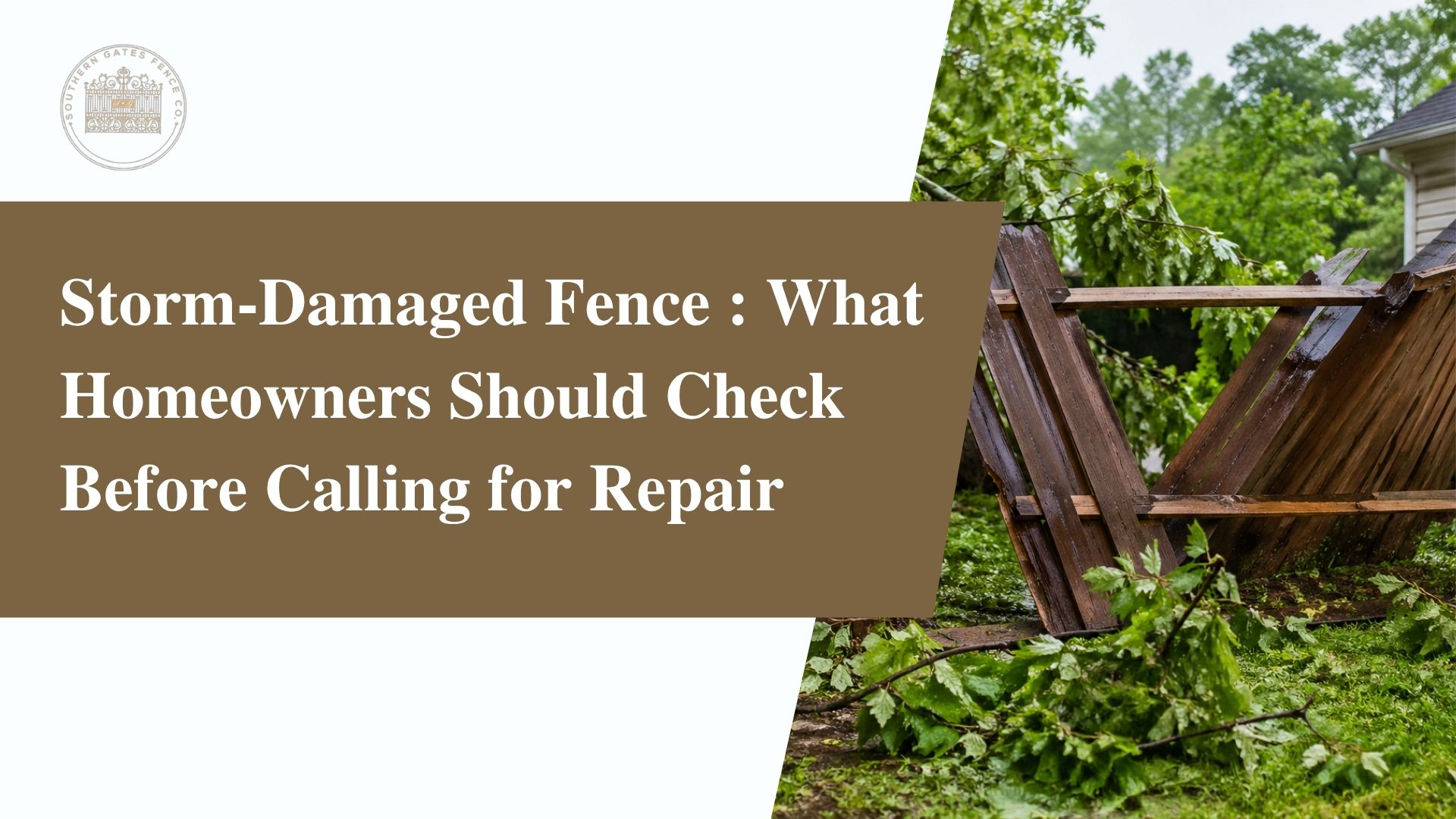
Address small issues quickly: replace warped pickets, tighten or swap nails for galvanized or stainless fasteners, and probe suspect posts for rot or insect galleries-termite damage demands immediate action. You’ll typically replace individual boards within 1-7 years depending on exposure, while posts often fail sooner if not set or drained properly.
When replacing a post, remove the rails, dig a hole about 10-12 inches wide and 2-3 feet deep, set the post on gravel, check plumb, then pour concrete or tamp compacted gravel for drainage; sistering a post (fastening a new post beside the old one) can be a faster repair for partial failures. Use 3/8″ or larger bolts for rails and seal all cut ends with preservative to extend life.
Local Regulations and Permits
You should verify local permit rules before installing a wood fence: many municipalities require a permit for fences over 6 ft, while front-yard fences are often limited to 4 ft. Failure to obtain permits can lead to stop-work orders, fines, or mandatory removal. For contractor help and local reviews, consult Top 10 Best Fencing pros in Duncan, SC to compare licensed installers and permit experience.
Zoning Laws
Your property’s zoning controls height, setbacks, and visibility: rear yards commonly allow up to 6 ft, front yards 3-4 ft, and setbacks often range from 3-10 ft. Pay special attention to utility easements and driveway sight triangles-these areas frequently prohibit permanent fences to maintain line-of-sight and access. Check parcel zoning and plat maps at the county office so you don’t build into an easement or violate height limits.
Homeowner Association Guidelines
Your HOA will typically require you to submit fence plans-materials, height, stain/paint color, and location-for approval; many associations set an ARC review window of 15-45 days. Noncompliance can trigger fines or mandatory alterations, so get written approval before ordering materials or scheduling installation.
In practice, HOAs often distinguish between fence types: privacy fences (usually capped at 6 ft) may be allowed only in rear yards, while front-yard fences are restricted to picket or ornamental styles and lower heights. You should expect requirements on post spacing, gate hardware, and approved stain palettes; supply photos and a site plan to speed approval and avoid rework.
Environmental Impact
Wood fences can be environmentally beneficial because solid timber stores carbon-about 0.9 tonnes CO₂ per m³-throughout its service life, lowering your property’s carbon footprint. However, Duncan’s hot, humid climate increases rot and replacement risk, and pressure-treated wood may leach biocides if not disposed of properly. You should weigh embodied energy, typical lifespans (untreated pine 5-10 years; cedar 15-25; treated pine 20-40) and end-of-life options like reuse, salvage, or recycling when choosing materials.
Sustainability of Wood
When you select FSC-certified or reclaimed timber, your fence supports responsible forestry and reduces deforestation risk; certified forests require regeneration and traceability. Reclaimed boards cut embodied emissions and often reduce upfront material demand. In practice, choosing certified pine or cedar can keep your fence’s net climate impact substantially lower than steel or concrete alternatives while still delivering 10-25 years of service in this region.
Alternatives to Wood Fencing
Vinyl, aluminum, composite, and chain-link each offer clear trade-offs: vinyl lasts 20-40 years with low upkeep but carries high embodied plastic; aluminum resists corrosion and lasts 15-30 years; composite (often 50-60% recycled content) endures 25-30 years with reduced rot risk; galvanized chain-link is the lowest-cost option and can last 15-30 years. You should match material choice to your maintenance tolerance, aesthetic goals, and long-term environmental priorities.
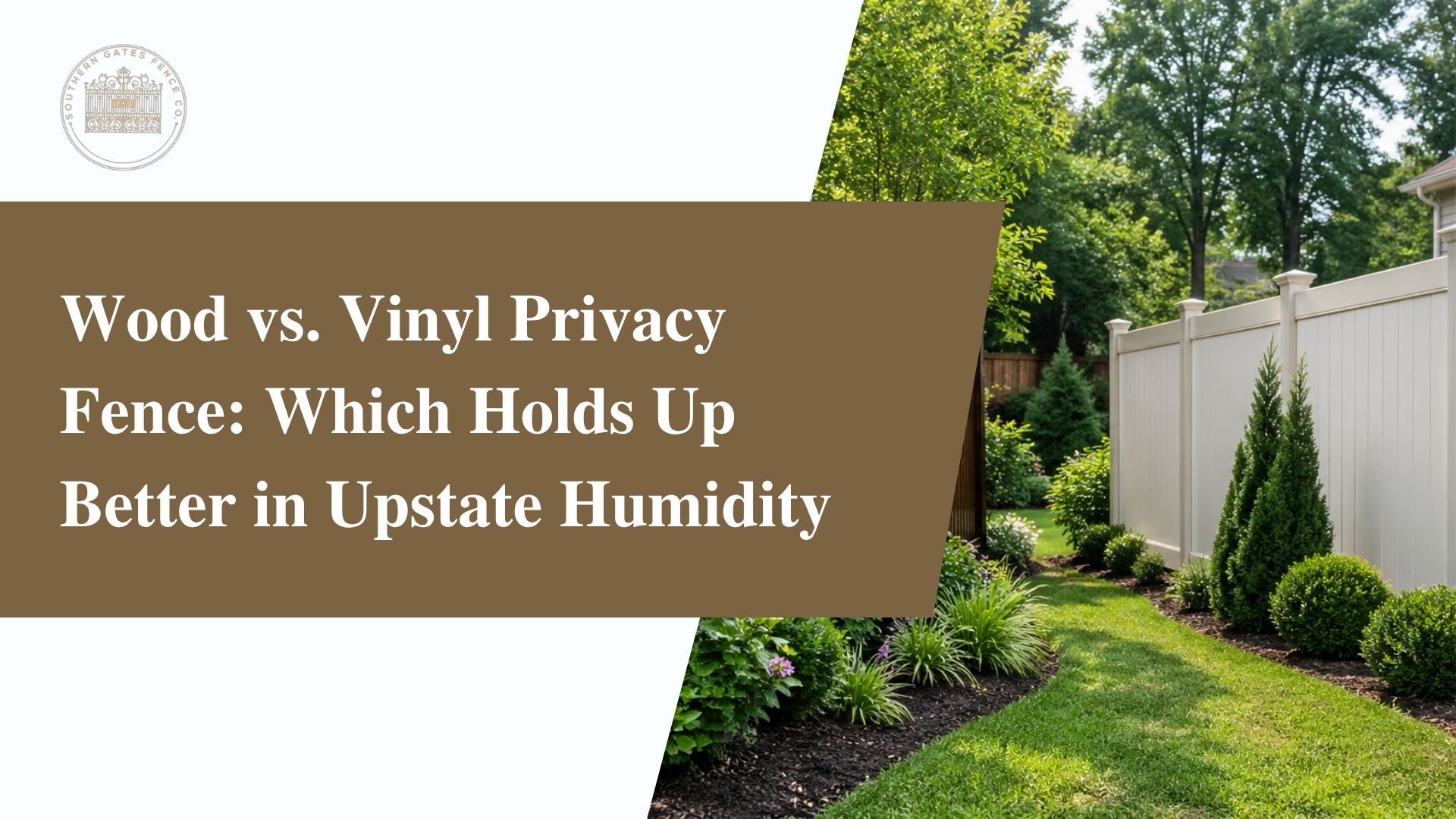
For example, you’ll typically pay about $15-30 per linear foot for a wood fence in the region, versus $25-45 for vinyl and $30-60 for aluminum; wood needs staining or sealing every 2-3 years in South Carolina’s humidity, while vinyl requires annual cleaning and aluminum may need repainting only every 8-15 years. If you prioritize low maintenance and corrosion resistance choose aluminum; if low embodied carbon and easy end-of-life reuse matter most, pick FSC or reclaimed wood; composite is a middle ground with good longevity but higher upfront carbon due to plastics.
To wrap up
Wood fence installation can be an excellent choice for properties in Duncan, SC when privacy, natural appearance, and moderate upfront cost are top priorities. Wood fencing delivers strong curb appeal, flexible design options, and effective privacy, but it also requires thoughtful planning due to local challenges like high humidity, termite activity, and seasonal storms. Choosing pressure-treated pine or cedar, confirming proper post depth and drainage, and committing to regular staining or sealing are key factors that determine long-term performance.
Before moving forward, homeowners should also account for local permit rules, zoning setbacks, and HOA guidelines, especially for taller privacy fences. When installed correctly and maintained consistently, a wood fence in Duncan can last 15 to 30 years, remain easy to repair, and continue adding value to your property despite South Carolina’s demanding climate.
Trusted Wood Fence Installation in Duncan, SC
If you are considering wood fence installation in Duncan, SC, Southern Gates Fence Co provides experienced, locally informed installation designed for hot, humid conditions. Our team helps homeowners select the right wood materials, fence styles, and construction methods to reduce rot, resist pests, and meet all local code and HOA requirements.
Whether you need a privacy fence, decorative wood fencing, or a full perimeter installation, Southern Gates Fence Co delivers dependable wood fencing services in Duncan, SC backed by professional craftsmanship and clear guidance from start to finish. Contact us today to schedule a consultation and build a wood fence that fits your property, budget, and long-term goals.