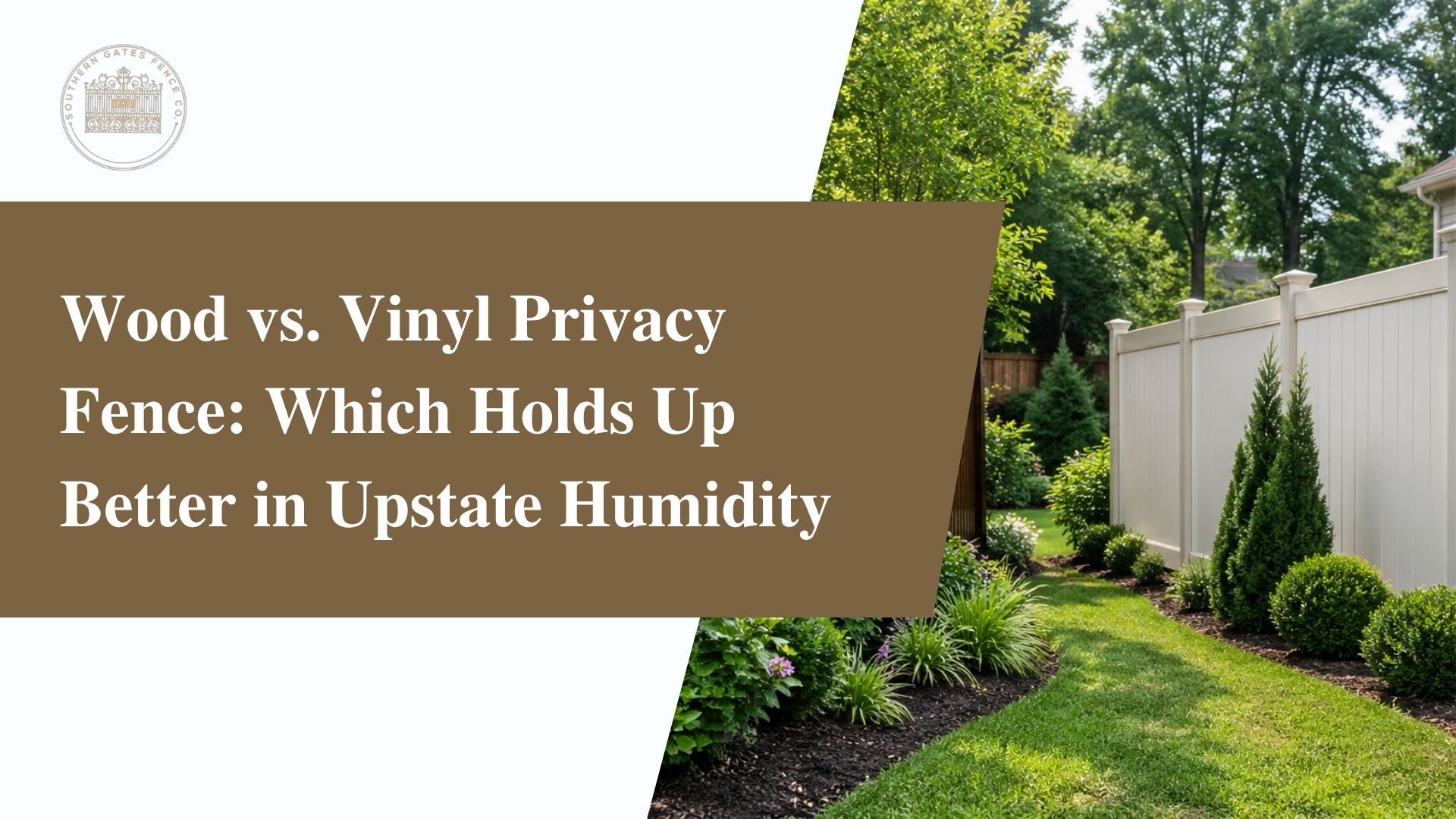
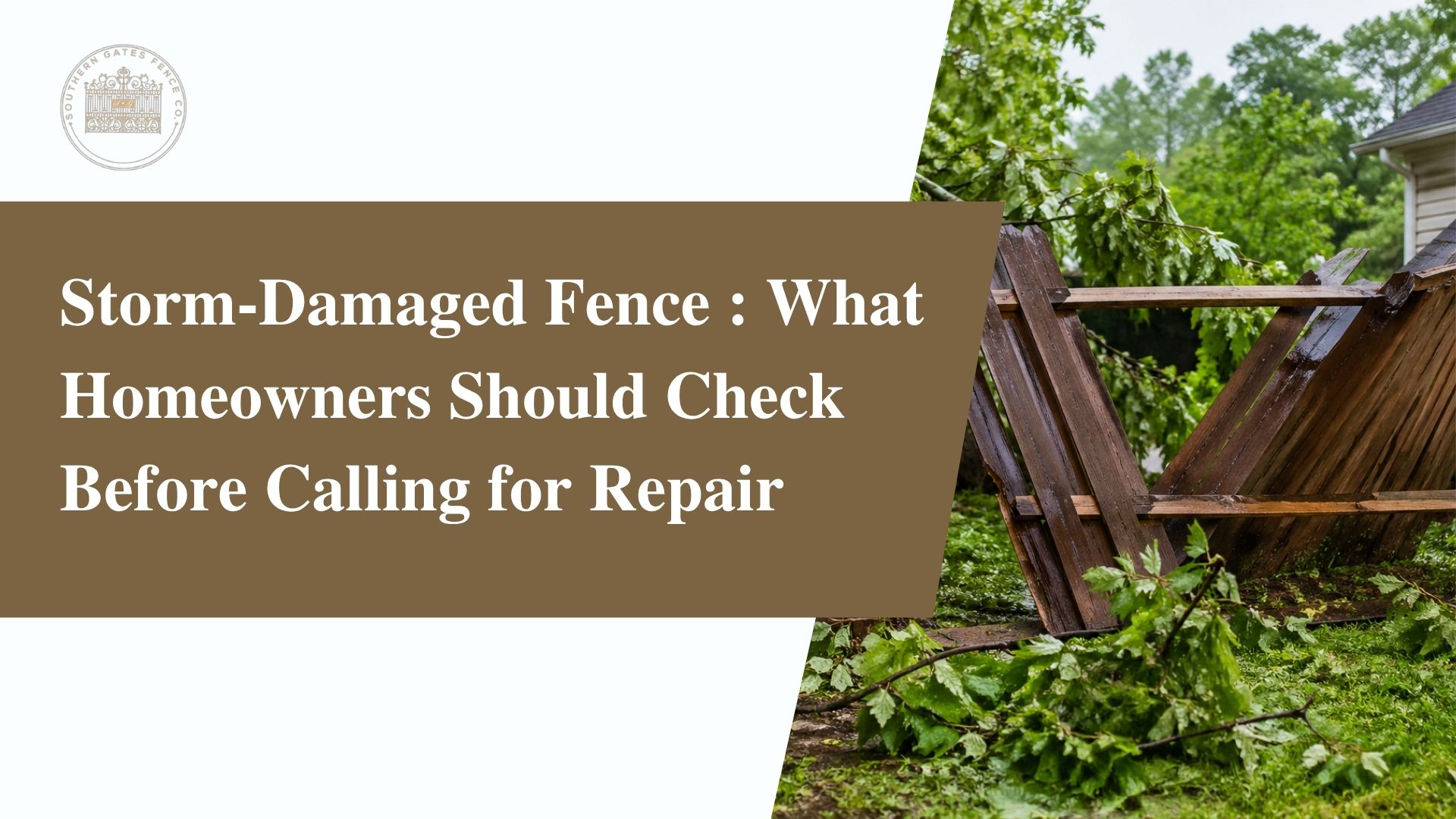
You face a climate where intense summer heat and persistent humidity accelerate rot, termite damage, warping and mildew, so your wood fence will need proper species choice, treatment and ventilation to last; using pressure‑treated pine or cedar, regular sealing, good drainage and elevated posts can greatly extend lifespan, and with proper maintenance your fence remains cost‑effective, repairable and attractive for many years.
Key Takeaways:
- Hot, humid conditions in Duncan, SC accelerate rot, mold, and warping; choose rot-resistant species (cedar, cypress) or pressure-treated lumber and maintain clearance and airflow.
- Regular maintenance – stain or seal every 2-3 years and repair damaged boards promptly – is needed to preserve appearance and structural integrity.
- Termites and metal corrosion are common risks; use stainless or hot-dipped galvanized fasteners, apply insect treatments where appropriate, or consider composite/vinyl for lower upkeep.
Understanding Duncan, SC’s Climate
Temperature Patterns
Summers in Duncan push average highs to about 88-92°F, with roughly 50-60 days above 90°F, while winters drop to average lows near 30-35°F and bring occasional freezes. You’ll see 20-30°F seasonal swings that make wood expand in summer and contract in winter, producing gaps, checking, and loose fasteners if your fence lacks proper spacing and flexible hardware.
Temperature at a glance
| Metric | Typical values |
|---|---|
| Summer highs | ~88-92°F; 50-60 days >90°F |
| Winter lows | ~30-35°F; occasional freezes |
| Annual swing | 20-30°F between seasons |
Humidity Levels
Relative humidity typically sits around 60-75% most of the year, peaking in summer mornings with dew points commonly between 65-72°F. For your fence this means surfaces stay wet longer after rain, raising the risk of mildew and accelerating rot when sealants fail within 2-5 years on untreated wood.
Because summer dew points often exceed 65°F, your fence can remain above the wood’s fiber‑saturation point for extended periods, promoting mold, mildew, and brown rot within months on untreated pine. You should expect pressure-treated lumber to resist decay longer but still show checking and cupping after 3-7 years without coatings; plan annual inspections, reapply stain or sealer every 2-4 years, keep the bottom of boards and post bases at least 2-4 inches above soil, and allow 1/8-1/4 inch spacing between boards to improve airflow and reduce trapped moisture.
Impact of Climate on Wood Fences
Effects of Heat
Summer highs in Duncan often reach the low-to-mid 90s (about 90-95°F), so you’ll see accelerated drying that causes splitting, checking, and surface brittleness. Direct sun also drives UV degradation, fading stains and breaking down lignin in 1-3 years on unprotected wood. Choose cedar or pressure-treated pine and apply a UV-blocking stain or sealant every 1-3 years to limit damage and keep fasteners from loosening as boards shrink and expand.
Effects of Humidity
Relative humidity commonly sits around 70-80% in summer, so your fence picks up moisture daily, leading to swelling, cupping, mold, and rot where water cycles frequently. You should keep posts and boards off direct soil contact-maintain a 2-3 inch clearance and use gravel at post bases to reduce wicking. Pressure-treated lumber resists decay better, but constant wet-dry cycles still weaken joints and finish.
In practice, untreated pine in Duncan-type humidity often fails faster: bottom boards or posts in contact with ground can deteriorate in 3-7 years, while cedar or pressure-treated stock with annual inspections and timely sealing can reach 15+ years. For visible mold, a 1:3 bleach-to-water wash (avoid nearby plants) plus prompt resealing reduces fungal recurrence and slows structural decay.
Types of Wood Suitable for Fences in Humid Climates
Species choice directly affects longevity in humid climates; common options include cedar, cypress, redwood, pressure-treated pine, and dense tropicals like ipe. In Duncan, SC you can expect untreated cedar to last about 15-25 years, cypress 20-40 years, and properly installed pressure-treated pine 15-25 years with maintenance. Thou should prioritize rot resistance, insect tolerance, and correct fasteners to maximize the life of your wood fences.
- Cedar
- Cypress
- Redwood
- Pressure-treated pine
- Ipe (tropical hardwood)
| Cedar | Good rot resistance; 15-25 years in the Southeast |
| Cypress | Natural oils (cypressene); often 20-40 years |
| Redwood | Excellent stability; limited availability in SC but 20+ years |
| Pressure-treated pine | Affordable, treated with ACQ/MCA; 15-25 years with maintenance |
| Ipe | Very dense and insect-resistant; can exceed 40 years but costs more |
Naturally Durable Species
You’ll find cypress and cedar perform well because natural extractives resist decay and insects; cypress often reaches 20-40 years in southeastern sites while cedar typically gives 15-25 years. In practical terms, homeowners near tidal creeks or thick vegetation see the biggest benefit from cypress’s oils, and you can reduce maintenance cycles by selecting wider boards and keeping soil contact and debris away from posts.
Treated Woods
You can get reliable service from modern pressure-treated southern pine using ACQ or MCA preservatives; above-ground installations commonly achieve 15-25 years when you use proper drainage, seal cuts, and choose compatible fasteners. For best results, pair treated posts with deck-grade stainless or hot-dipped galvanized hardware to avoid corrosion.
Additional details matter: treatment retention for above-ground fence parts typically targets around 0.25 pcf and up to 0.40 pcf for ground-contact pieces, which affects expected longevity; you should coat all end cuts within 24 hours with a preservative, avoid soil-to-wood contact where possible, and always use stainless steel or hot-dipped galvanized fasteners because copper-based preservatives can be corrosive to mild steel.
Maintenance Practices for Wood Fences
Regular Inspections
Inspect your fence every 3 months and after major summer storms, probing boards with a screwdriver to detect soft rot or insect galleries. Focus on ground-contact posts, fasteners, and the first foot of boards where humidity concentrates. If you find decay within 12 months it signals drainage or grading problems that you should correct immediately to avoid structural failure.
Protective Treatments
Apply a water-repellent preservative or semi-transparent stain to your fence every 2-3 years, and consider a clear sealer annually on high-exposure faces; this can double service life on pine and help cedar reach 20-30 years with regular care. Use oil-based stains on pressure-treated wood, treat cut ends and the top 6-12 inches of posts, and include a mildewcide for hot, humid Duncan summers.
You should clean with an oxygen-bleach solution, rinse thoroughly, and allow 48 hours of drying before treatment; spraying is fast, but back-brush within 10 minutes for even penetration. Apply when humidity is below 80% and temperatures are 50-90°F, expect ~300-400 ft² per gallon for semi-transparent stain, and avoid sealing damp wood because trapped moisture causes mold and premature decay.
Common Issues Faced by Wood Fences
The hot, humid climate in Duncan pushes wood moisture above 20%, promoting fungal decay and faster paint failure; annual rainfall around 50 inches intensifies exposure. You’ll often see boards warp in 2-5 years if untreated and posts fail first when set directly in soil. For seasonal care and maintenance schedules tailored to South Carolina, consult Maintaining Your Fence Through South Carolina Seasons. Routine checks every 6-12 months and timely sealing minimize repair costs.
Rot and Decay
You’ll notice rot where wood remains wet; decay fungi become active once moisture exceeds 20%. Pressure-treated pine commonly lasts 20-30 years with proper sealing, while untreated cedar or redwood may fail in 7-15 years under constant wetting. Posts set in soil or concrete without drainage show the fastest deterioration. To extend life you should cap tops, keep a 2-4 inch clearance from soil, and reapply water-repellent sealers every 1-3 years.
Insect Infestations
Termites, especially Eastern subterranean species, are frequent in the region and colonies can number tens of thousands, causing hidden structural damage. You’ll spot signs like mud tubes, discarded wings, or frass; carpenter ants and powderpost beetles also infest damp or untreated lumber. Annual professional inspections and targeted treatments-soil barriers, bait stations, or borate-treated wood-substantially lower infestation risk and repair bills.
Subterranean termites need soil contact and can spread rapidly through moisture-rich fence posts, while powderpost beetles prefer porous hardwoods and create fine powdery frass. You should maintain airflow, eliminate direct soil contact, and fix leaks to reduce attraction. Professional soil termiticide barriers or bait systems often stop active colonies within weeks, and preventive borate application to new lumber can add decades of resistance when combined with consistent moisture control.
Alternative Fencing Options
Vinyl Fencing
You’ll find vinyl resists rot, insects, and moisture, making it low‑maintenance compared with wood. Typical installed cost runs roughly $20-$40 per linear foot, and lifespans commonly hit 20-30 years with proper care. However, in Duncan’s heat and humidity vinyl can fade and become brittle over many summers; if you don’t allow for thermal movement with proper expansion gaps and 6-8 ft post spacing, panels can warp or bow.
Composite Materials
Composite fences blend wood fiber and recycled plastic to mimic wood grain while resisting rot and termites; you can expect 25-30 years of service in many installations. Upfront cost is higher-often $30-$60 per linear foot-but maintenance drops since you won’t stain or seal annually. Still, surface mold can form in shaded, humid spots and boards get hot in full sun, so placement and cleaning matter for your long-term appearance.
For best results, install composite with stainless‑steel or coated fasteners and leave a 1/8-1/4‑inch gap between boards for drainage; post spacing around 6-8 ft reduces sag. Choose capped boards or those with sealed end grains to limit moisture uptake, and plan an annual wash with mild detergent to remove biofilm that causes staining. Manufacturers typically back composite products with 20-25 year warranties-confirm UV fade and structural terms before you buy.
Final Words
Wood fences can perform well in Duncan, SC’s hot and humid climate when they are built with the right materials, installed correctly, and maintained consistently. High heat, frequent moisture, and termite pressure accelerate rot, warping, and mildew, especially on untreated or poorly ventilated fencing. Choosing pressure-treated pine, cedar, or cypress, maintaining proper ground clearance and airflow, and sealing or staining every two to three years are essential steps to extend the life of a wood fence in this environment.
While wood fencing requires more upkeep than vinyl or composite options, it remains a popular choice in Duncan for its natural appearance, repairability, and cost effectiveness. With proactive inspections, prompt repairs, and moisture control, a professionally installed wood fence can last decades and continue to enhance privacy, curb appeal, and property value despite South Carolina’s challenging climate conditions.
Trusted Wood Fence Installation in Duncan, SC
If you are planning wood fence installation in Duncan, SC, Southern Gates Fence Co delivers expert installation designed specifically for hot, humid environments. Our team helps homeowners select the right wood species, post treatments, and construction methods to reduce rot, resist insects, and maximize fence longevity.
Whether you need a privacy fence, decorative wood fencing, or a durable backyard enclosure, Southern Gates Fence Co provides dependable wood fencing services in Duncan, SC built to handle the local climate. Contact us today to schedule a consultation and get expert guidance on a wood fence that stays strong, attractive, and functional year after year.