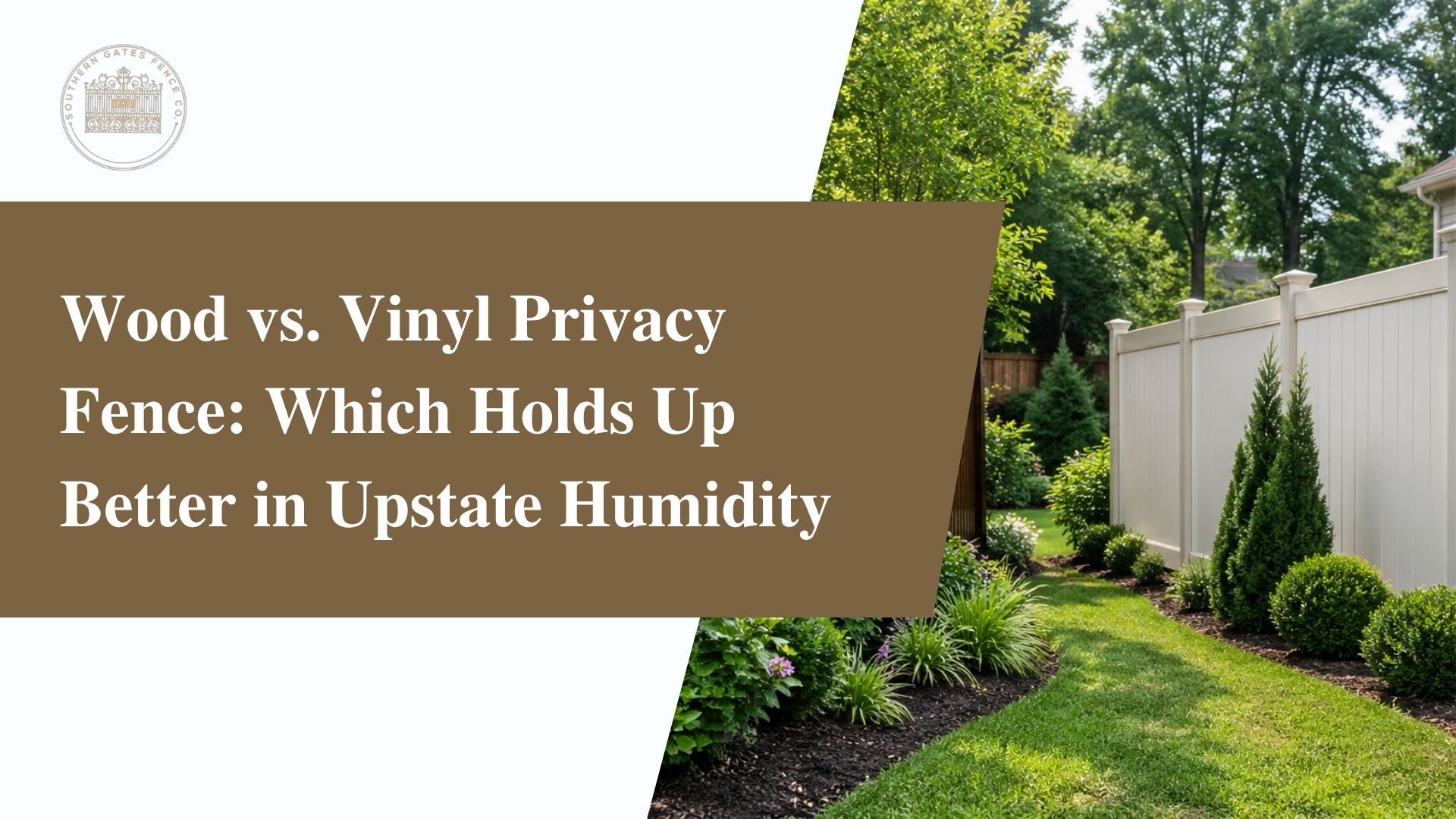
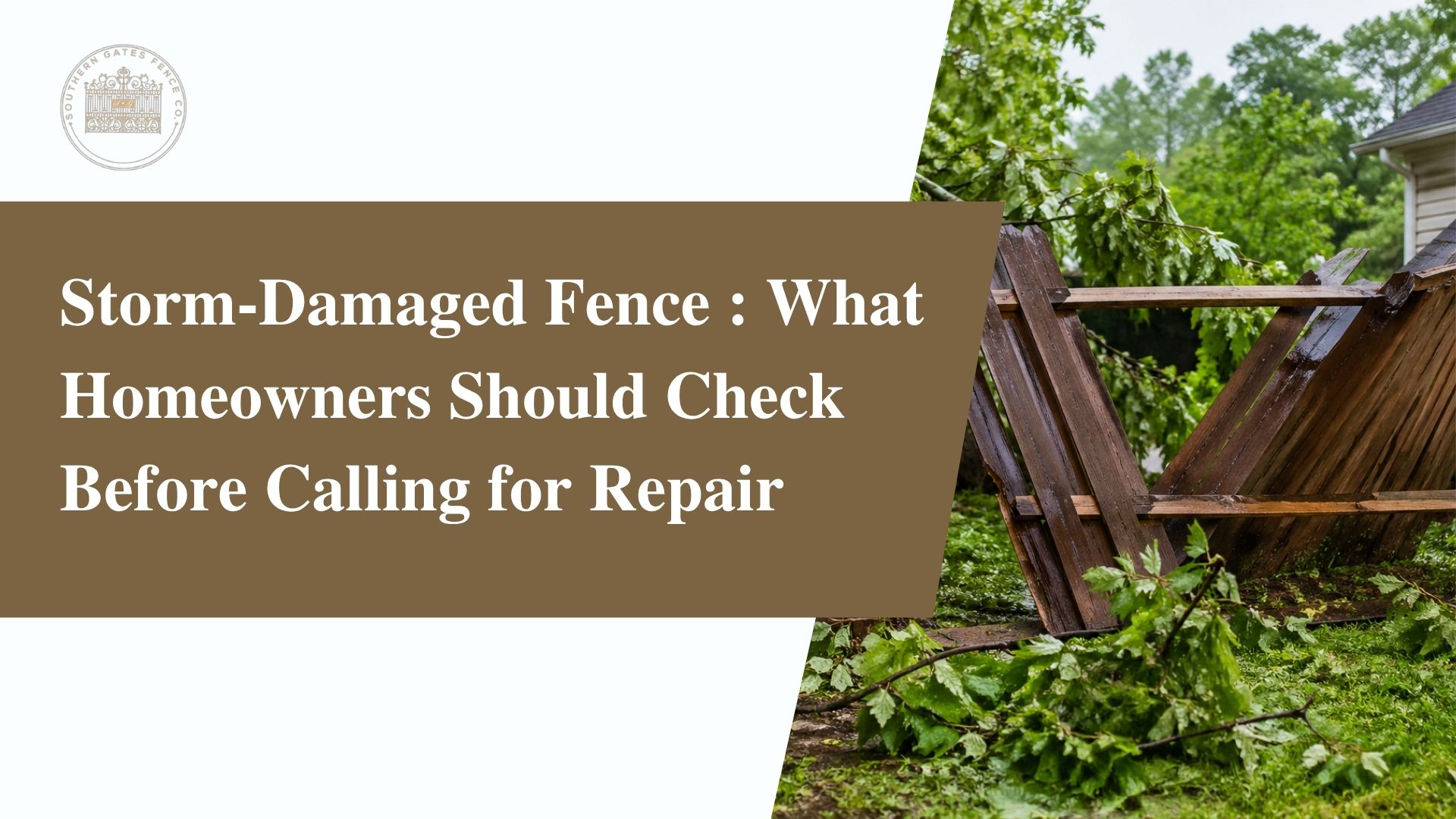
Your wood fence can be both a beautiful and functional addition to your property, but it requires consistent maintenance to withstand the changing seasons in Simpsonville, SC. Throughout the year, weather conditions such as humidity, rain, and temperature fluctuations can affect your fence’s integrity. To keep your fence looking great and to extend its lifespan, you need to implement specific care routines for each season. This guide will help you navigate the important steps to ensure that your wood fence remains in top condition all year round.
Key Takeaways:
- Regularly inspect the wood fence for signs of wear, such as cracks, warping, or mold, and address issues promptly.
- Apply a high-quality sealant or stain to protect the wood from moisture, UV rays, and pests, ideally at the beginning of spring or fall.
- Clear vegetation and debris from the fence line to prevent moisture buildup and promote airflow throughout all seasons.
Understanding Wood Fences
Wood fences are popular for their aesthetic appeal and functionality. They provide privacy, security, and a natural look to your property. However, factors such as climate, maintenance, and the type of wood can significantly affect their longevity and overall performance.
Types of Wood Fences
There are several types of wood fences, each offering unique advantages and styles. Common options include:
| Stockade Fences | Ideal for privacy, featuring closely spaced upright boards. |
| Picket Fences | Classic design, often used for decoration and delineation. |
| Board-on-Board Fences | Offers full privacy while allowing airflow between boards. |
| Split Rail Fences | Rustic look, typically used for boundary marking. |
| Vertical Board Fences | Simple yet effective design for security and style. |
- Privacy
- Aesthetic appeal
- Durability
- Maintenance requirements
- Cost-effectiveness
Any choice of fence type should align with your specific needs, ensuring both functionality and visual appeal.
Wood Fence Vulnerabilities
Wood fences, while beautiful, face vulnerabilities that can compromise their longevity. Exposure to moisture, pests, and the harsh elements of the Simpsonville climate can lead to decay, mold, and structural issues. Understanding these vulnerabilities is key to implementing effective maintenance strategies.
Climate conditions in Simpsonville, such as high humidity and periodic rain, can accelerate issues like rot and mold growth on wood fences. Additionally, insects like termites may target your fence, damaging its structural integrity. Regular inspections can help you identify these problems early, and treating the wood with appropriate preservatives can protect against moisture absorption and insect infestation. Employing preventive measures is crucial for maintaining the aesthetic and functional qualities of your wood fence throughout the year.
Seasonal Maintenance Guide
Spring Care
As winter fades, inspect your wood fence for any signs of damage caused by cold weather, such as cracks or warping. It’s the perfect time for cleaning; use a mild detergent and water solution to remove dirt and mold buildup. This proactive approach enhances your fence’s lifespan, ensuring it remains appealing and structurally sound.
Summer Protection
During the hot summer months, your wood fence faces intense heat and UV exposure. Applying a high-quality sealant or stain not only protects against fading but also adds a layer of defense against moisture and pests.
Opt for products specifically designed for outdoor wood. Additionally, regular inspections for signs of wear, such as cracks or splintering, can prevent more extensive damage. Consider adjusting landscaping around your fence to minimize direct sunlight exposure, which will help keep the wood in optimal condition.
Autumn Preparations
As leaves fall, take the time to clear debris from your wood fence. Accumulated leaves and moisture can lead to mold growth and wood rot. It’s also the ideal period to reapply stains or sealants, ensuring your fence is ready for the winter months ahead.
Consider scheduling a thorough inspection to identify any areas needing repair. Cleaning the fence will not only enhance its aesthetics but reduce potential issues during the winter. This attention to detail now sets up a durable barrier against cold winds and snow, safeguarding its integrity through harsher weather.
Winterization
Before winter is in full swing, ensure your fence is adequately prepared to withstand low temperatures and snow. Regularly check for loose boards or nails, and tighten any that show signs of wear.
Applying a fresh coat of sealant or stain before the cold sets in can significantly impede moisture infiltration, minimizing the chances of frost damage. It’s also advisable to clear away snow and ice buildup promptly to avoid unnecessary weight on the fence structure, which can lead to leaning or collapse. Windbreaks, like shrubs, can also provide additional protection against harsh winter elements.
Common Issues and Solutions
Your wood fence can face various challenges throughout the year, including rot, decay, and pest infestation. Identifying these issues early and addressing them promptly will extend the lifespan of your fence. Regular maintenance and preemptive treatments can safeguard your investment against these common problems.
Rot and Decay
Wood rot occurs when moisture gets trapped in the fibers, leading to decay. To combat this, ensure proper drainage around the fence posts and apply a high-quality water-repellent sealant annually. If rot is detected, replace the affected boards right away to prevent further damage.
Pest Infestation
Wood fences are susceptible to pests such as termites and carpenter ants, which can significantly weaken the structure. Regularly check for signs like small holes or sawdust accumulation near the base, indicating an infestation. Immediate action, using treatments like borate or insecticides, can help eradicate these pests and protect your fence.
To effectively manage pest infestations, maintaining a clean landscape around your fence is vital. Remove debris, wood piles, and standing water to reduce pest habitats. Additionally, treating your fence with borate compounds not only deters pests but also provides wood protection against moisture, further reinforcing your fence’s longevity. Monitoring your fence regularly for early signs of pests can save you from costly repairs and preserve its integrity over time.
Essential Tools and Materials
To effectively maintain your wood fence year-round, you’ll need a few important tools and materials. This includes a pressure washer, brushes, and a sprayer for applying treatments, as well as safety gear like gloves and goggles. Having the right Wood Fence Staining and Sealing: Complete Maintenance … supplies on hand ensures you’re prepared for any maintenance tasks that arise.
Maintenance Tools
Your arsenal of maintenance tools should include a high-quality pressure washer to remove dirt and debris, a wire brush for scrubbing away mold, and a paintbrush or sprayer for even application of sealants. Don’t forget tools like a utility knife for minor repairs and a tape measure to ensure accuracy when replacing panels.
Recommended Sealants and Treatments
Choosing the right sealants and treatments for your wood fence can greatly enhance its durability and appearance. Look for products that provide UV protection and water resistance, such as oil-based or water-based stains. Brands like Behr and Sherwin-Williams have excellent options that can protect your fence from the elements while enhancing its natural beauty.
When opting for sealants, opting for a semi-transparent stain can allow the wood grain to shine through while offering protection against moisture and UV damage. Quality treatments typically contain mold inhibitors and come with warranties, ensuring your fence stays in top condition. Regular application of these sealants, ideally every 2-3 years, will extend the lifespan of your wood fence significantly, safeguarding your investment against decay and fading.
Professional vs. DIY Maintenance
Deciding between professional service and DIY for your wood fence maintenance hinges on your skill level and the fence’s condition. For simple tasks like cleaning or staining, you might find DIY manageable. However, extensive repairs or intricate maintenance tasks can be better handled by professionals who bring expertise and efficiency, ensuring long-lasting results.
When to Hire a Professional
Hiring a professional is wise when your fence sustains significant damage or requires specialized treatment. If you notice large cracks, pest infestations, or rotting sections, a trained expert can assess the situation and implement effective remedies that DIY solutions might overlook.
Cost-Effectiveness of DIY
DIY maintenance can be a budget-friendly option, especially if you have the tools and time available. You can save money on labor costs, with expenses primarily focused on materials like sealants, stains, and replacement boards. Many homeowners find that regular, small DIY projects prevent the need for extensive professional repairs in the long run.
By tackling maintenance tasks yourself, you can often cut costs significantly. For instance, if you purchase a gallon of stain for around $30, you can cover over 200 square feet, whereas professional staining can cost upwards of $300 for the same area. Investing time in DIY maintenance not only keeps your expenses low but also allows you to develop a deeper understanding of your fence’s needs, ultimately leading to better long-term care and value for your property.
Local Considerations for Simpsonville SC
Climate Impact on Wood Fences
Simpsonville experiences a humid subtropical climate, which can accelerate the wear and tear on wood fences. High humidity levels can lead to increased moisture absorption, resulting in wood rot and fungal growth. Summer heat can also cause warping or cracking if your fence isn’t properly treated. Understanding these environmental factors is key for effectively maintaining your fence.
Local Resources and Services
In Simpsonville, you have access to various local resources for your wood fence maintenance. Numerous hardware stores provide the necessary supplies, while landscaping professionals can assist with treatment and repairs. Local workshops often offer classes on DIY fence maintenance, ensuring you have the knowledge to keep your fence in top shape.
For effective maintenance, explore local services like Comet Landscaping or Ultimate Fence Company, known for their expertise in wood fence care. Additionally, that each of these businesses has options for consultations and can provide valuable insights tailored to Simpsonville’s specific climate challenges. Many also offer seasonal discounts, making it cost-effective to keep your wood fence well-maintained throughout the year.
Summing up
Maintaining your wood fence through all four seasons in Simpsonville SC is the key to keeping it strong, attractive, and long lasting. By following seasonal care steps like cleaning, sealing, repairing damage early, and keeping the fence line clear, you protect your investment and prevent costly problems down the road. If you want expert guidance or prefer to have a professional fence contractor handle the work, Southern Gates and Fencing is here to help. Our team provides reliable fence maintenance, repairs, and installations tailored to Simpsonville’s climate. Reach out to us today to keep your fence looking its best all year round.